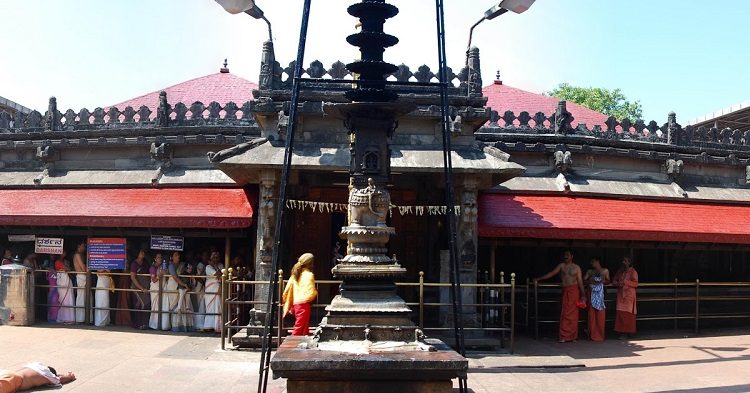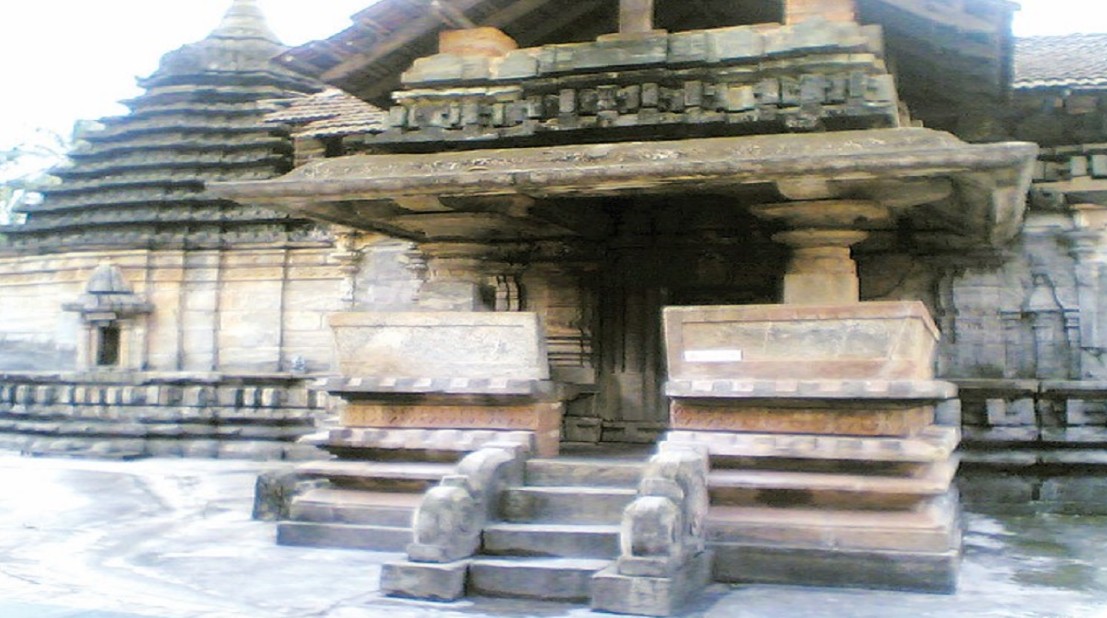





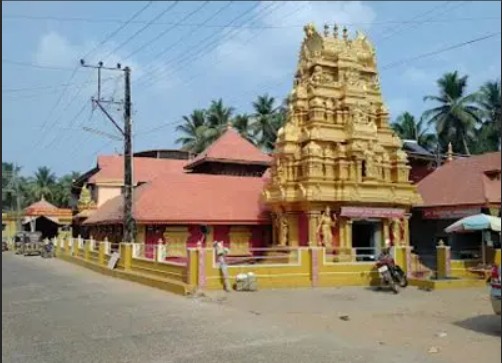
The coastal district of Udupi in Karnataka is a land steeped in legend and spiritual significance, and nestled in the town of Kota, near Kundapur, lies a powerful and unique temple: the Sri Amratheshwari Halavu Makkala Tayi Temple.
Popularly known as the temple of “Halavu Makkala Tayi” (literally, “The Mother of Many Children”), this sacred site is a beacon of hope, particularly for childless couples seeking the blessing of parenthood.
The Mother Goddess: Goddess Amruteshwari
The presiding deity of the temple is Goddess Amruteshwari. She is revered in two primary forms within the temple complex:
- Amruteshwari: The benevolent aspect of the Mother Goddess, who grants blessings, cures ailments, and ensures the welfare of devotees.
- Mari: The fiercer aspect, associated with granting Moksha (liberation) and suppressing evil.
The unique and enduring fame of the temple, however, comes from the title ‘Halavu Makkala Tayi’, a name earned through centuries of granting the wish for children to countless devotees.
The Phenomenal “Children” of the Goddess
The most astonishing and central miracle of the temple is directly tied to its name.
Within the sanctum sanctorum (garbhagudi) of the temple, unique formations resembling small Shiv Lingas spontaneously emerge from the earth. These naturally occurring lingas are considered to be the “children” of the Goddess, symbolizing the countless blessings she grants to her followers.
While these formations have no scientific explanation, they solidify the local belief in the deity’s power of creation and fertility. Devotees often offer prayers, and sometimes oil, to these sacred lingas as part of their ritual to seek progeny.
History and Legend
The history of the temple is rooted in local folklore and a link to the great epic, Ramayana. The legend holds that:
- The area surrounding the temple was once part of the Dandakaranya forest, where the demon Khara, a relative of Ravana, resided.
- Khara’s wife, Kumbhamukhi, was a devout woman and a great devotee of Lord Shiva and Goddess Parvati.
- The Goddess was pleased with Kumbhamukhi’s penance and appeared before her. However, the devoted wife, overwhelmed by the divine presence, forgot her original wish for children and asked for an ordinary boon.
- Later, realizing her mistake, she was remorseful. The Goddess, in her infinite compassion, consoled Kumbhamukhi and assured her that she would reside in this very place and bless all her devotees with progeny.
- The Goddess declared that the spontaneous lingas that would periodically emerge from the ground would be considered Kumbhamukhi’s “children,” and She herself would be known as ‘Halavu Makkala Tayi’.
Special Rituals and Significance
- Santhana Prapti (Parenthood Blessing): The temple is a prominent pilgrimage site for couples facing fertility issues. It is widely believed that offering sincere prayers here and following the prescribed rituals results in the blessing of a child within a year.
- Unique Priesthood: A unique tradition prevails in the temple where the daily rituals and sevas (services) are performed by priests belonging to the Dharmanathi Panth of the Nath community (often referred to as ‘Jogi’ priests), a tradition that has continued for centuries.
- Harake Yakshagana: A special offering called ‘Harake Yakshagana’ (a vow to perform the traditional art of Yakshagana) is a common sight here, performed by families who have been blessed with children after praying to the Goddess.
The Sri Amratheshwari Halavu Makkala Tayi Temple is more than just a place of worship; it is a symbol of faith, compassion, and the unwavering belief in the divine power of motherhood. Located conveniently near the National Highway 66 in Kota, it continues to draw thousands of pilgrims from across the country seeking the miraculous grace of the Mother of Many Children.